Fertility is a complex process influenced by various factors, including hormonal balance, reproductive health, and lifestyle choices. Among these, nutrition plays a pivotal role. Your diet provides the building blocks for hormone production, egg and sperm quality, and overall reproductive health. Consuming a nutrient-rich diet can potentially enhance fertility by supporting these essential processes.
The interconnection between nutrition and fertility is supported by numerous studies. These studies indicate that certain nutrients can positively impact reproductive health. For instance, vitamins, minerals, and antioxidants found in specific foods are known to support hormonal balance and improve egg and sperm quality. Understanding which foods to incorporate into your daily routine can be a significant step toward enhancing fertility naturally. For couples exploring advanced reproductive options, combining healthy nutrition with care from providers offering the best IVF in Pakistan may further support their fertility journey.
However, it’s important to remember that while diet is a crucial factor, it’s just one part of the bigger picture. Lifestyle choices, such as exercise and stress management, work alongside nutrition to support your reproductive health. By integrating a balanced diet with other healthy habits, you can create a supportive environment for fertility.
The Role of Diet in Supporting Fertility

Your diet can directly affect your fertility by influencing hormone levels and reproductive functions. A well-balanced diet that includes a variety of nutrients can support your body’s ability to conceive. These nutrients help regulate hormones, improve blood flow to reproductive organs, and maintain overall health.
One of the primary ways diet impacts fertility is through its influence on weight. Maintaining a healthy weight is crucial, as both underweight and overweight conditions can disrupt ovulation and hormone production. Eating a nutrient-dense diet can help maintain a healthy weight, thereby supporting regular menstrual cycles and improving fertility. For those who require additional reproductive assistance, combining healthy lifestyle habits with access to affordable IVF options may improve their chances of achieving a successful pregnancy.
Additionally, certain foods have properties that enhance fertility by providing essential nutrients. For example, foods rich in omega-3 fatty acids, antioxidants, and vitamins are known to play a role in supporting reproductive health. By focusing on these nutrient-rich foods, you can naturally support your fertility and increase your chances of conception.
Nutrient-Rich Foods to Consider for Fertility
Incorporating specific nutrient-rich foods into your diet can naturally support your fertility. These foods are packed with essential vitamins, minerals, and antioxidants that promote reproductive health. Understanding which foods to prioritize can make a significant difference in your journey toward conception. For individuals pursuing fertility treatment, these dietary choices can complement the care provided by the best IVF hospital in Pakistan, supporting overall reproductive wellness.
- Leafy Greens: Spinach, kale, and Swiss chard are rich in folate, a B vitamin crucial for reproductive health. Folate supports the development of healthy eggs and reduces the risk of neural tube defects in early pregnancy.
- Whole Grains: Foods like quinoa, brown rice, and oats are excellent sources of dietary fiber and essential nutrients. They help regulate insulin levels and improve ovulation, supporting reproductive health.
- Healthy Fats: Avocados, olive oil, and fatty fish like salmon provide omega-3 fatty acids. These fats are essential for hormone production and improving egg quality.
By including these foods in your diet, you can create a nutrient-rich foundation that supports your fertility and overall reproductive health.
The Benefits of Leafy Greens for Reproductive Health
Leafy greens are a powerhouse of nutrients that can significantly benefit your reproductive health. Packed with vitamins, minerals, and antioxidants, they support various aspects of fertility. Incorporating leafy greens into your diet can enhance hormonal balance and improve egg quality.
Folate, found in abundance in leafy greens, is a key nutrient for fertility. It plays a crucial role in DNA synthesis and repair, supporting healthy egg development. Adequate folate intake is essential for reducing the risk of birth defects and ensuring healthy fetal development. Including spinach, kale, and Swiss chard in your meals can provide the necessary folate for optimal reproductive health.
In addition to folate, leafy greens are rich in antioxidants that combat oxidative stress. Oxidative stress can damage eggs and sperm, impacting fertility negatively. By consuming leafy greens regularly, you can provide your body with the antioxidants needed to protect reproductive cells and enhance fertility naturally.

How Whole Grains Enhance Fertility
Whole grains are an essential part of a fertility-friendly diet due to their high fiber content and nutrient density. They provide a steady source of energy and essential nutrients that support reproductive health. Including whole grains in your meals can regulate insulin levels and improve ovulation.
One of the primary benefits of whole grains is their ability to stabilize blood sugar levels. Foods like quinoa, brown rice, and oats are rich in dietary fiber, which helps maintain steady blood glucose levels. This is crucial for hormone regulation and reducing the risk of conditions like polycystic ovary syndrome (PCOS), which can affect fertility.
Moreover, whole grains are a rich source of B vitamins, including B6 and B12, which are vital for hormone production and maintaining a healthy menstrual cycle. By incorporating whole grains into your daily routine, you can support your reproductive health and increase your chances of conception.
The Importance of Healthy Fats in Your Diet
Healthy fats are essential for supporting fertility as they play a crucial role in hormone production and egg quality. Consuming a diet rich in healthy fats can improve your reproductive health and increase your chances of conception. Incorporating sources of omega-3 fatty acids and monounsaturated fats into your meals is beneficial for fertility.
Omega-3 fatty acids, found in fatty fish like salmon and sardines, are particularly important for fertility. They support the development of healthy eggs and reduce inflammation, which can negatively impact reproductive health. Including these sources of healthy fats in your diet can enhance egg quality and improve your overall fertility.
Monounsaturated fats, present in foods like avocados and olive oil, are also beneficial for reproductive health. They help regulate hormones and support a healthy menstrual cycle. By incorporating these healthy fats into your diet, you can create a supportive environment for fertility and improve your chances of conception.
Fruits and Their Positive Impact on Fertility
Fruits are an excellent source of essential vitamins, minerals, and antioxidants that support fertility. Including a variety of fruits in your diet can enhance reproductive health and improve your chances of conception. Understanding which fruits to prioritize can make a significant difference in your fertility journey.
Fruits like berries, oranges, and kiwis are rich in vitamin C, an antioxidant that protects eggs and sperm from damage. Vitamin C also supports hormone production and improves blood flow to reproductive organs, enhancing fertility naturally. Including a variety of vitamin C-rich fruits in your diet can provide the antioxidants needed for optimal reproductive health.
In addition to vitamin C, fruits like bananas and avocados are rich in potassium. Potassium is essential for maintaining a healthy fluid balance in cells, supporting overall reproductive health. By incorporating a variety of fruits into your daily routine, you can provide your body with the essential nutrients needed to enhance fertility.
The Power of Nuts and Seeds for Hormonal Balance
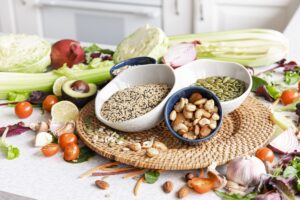
Nuts and seeds are a powerhouse of nutrients that can support hormonal balance and enhance fertility. Packed with essential fatty acids, vitamins, and minerals, they provide the building blocks for hormone production and reproductive health. Including a variety of nuts and seeds in your diet can improve fertility naturally.
Almonds, walnuts, and flaxseeds are rich in omega-3 and omega-6 fatty acids, which are crucial for hormone balance. These essential fats support the production of reproductive hormones and improve egg quality. By incorporating these nuts and seeds into your meals, you can enhance your hormonal balance and increase your chances of conception.
In addition to essential fatty acids, nuts and seeds are a good source of zinc, a mineral that plays a vital role in reproductive health. Zinc is essential for hormone production and maintaining a healthy menstrual cycle. By including a variety of nuts and seeds in your diet, you can provide your body with the nutrients needed to support fertility naturally.
Dairy Products and Their Role in Fertility Support
Dairy products are a rich source of calcium, vitamin D, and protein, all of which are essential for reproductive health. Including dairy in your diet can support fertility by providing the nutrients needed for hormone production and bone health. Understanding the role of dairy in your fertility journey can guide you in making informed dietary choices.
Calcium, found in abundance in dairy products, is crucial for maintaining strong bones and supporting reproductive health. It plays a vital role in hormone regulation and ensuring a healthy menstrual cycle. Including dairy products like milk, yogurt, and cheese in your diet can provide the necessary calcium for optimal fertility.
Vitamin D, another nutrient found in dairy, is essential for hormone balance and reproductive health. It supports the development of healthy eggs and improves overall fertility. By incorporating dairy products into your meals, you can ensure adequate vitamin D intake, supporting your fertility naturally.
Foods Rich in Antioxidants for Reproductive Health
Antioxidants play a crucial role in protecting reproductive cells from damage and supporting overall fertility. Including foods rich in antioxidants in your diet can enhance reproductive health and improve your chances of conception. Understanding which foods to prioritize can help you create a supportive environment for fertility.
Berries, such as blueberries and strawberries, are rich in antioxidants like vitamin C and flavonoids. These antioxidants protect eggs and sperm from oxidative stress, which can negatively impact fertility. By incorporating a variety of berries into your diet, you can provide your body with the antioxidants needed for optimal reproductive health.
In addition to berries, foods like dark chocolate and green tea are rich in antioxidants called polyphenols. These compounds support hormonal balance and improve blood flow to reproductive organs, enhancing fertility naturally. By including these antioxidant-rich foods in your daily routine, you can support your fertility and increase your chances of conception.
Supplements and Their Complementary Role in Fertility
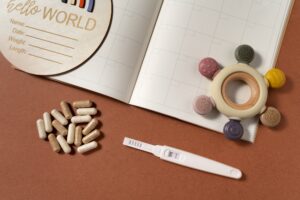
While a nutrient-rich diet is essential for supporting fertility, supplements can play a complementary role in enhancing reproductive health. Certain supplements provide additional nutrients that may not be obtained in sufficient quantities through diet alone. Understanding which supplements to consider can support your fertility journey.
Folic acid, a synthetic form of folate, is a commonly recommended supplement for fertility. It supports healthy egg development and reduces the risk of neural tube defects in early pregnancy. Taking a folic acid supplement alongside a diet rich in leafy greens can ensure adequate folate intake, supporting your reproductive health.
Omega-3 supplements, derived from fish oil, are another option for enhancing fertility. They provide essential fatty acids that support hormone production and improve egg quality. Including omega-3 supplements in your routine can complement a diet rich in fatty fish and healthy fats, supporting your fertility naturally.
Lifestyle Changes to Enhance Fertility Alongside Nutrition
In addition to a nutrient-rich diet, lifestyle changes can significantly enhance your fertility. Incorporating healthy habits into your daily routine can support your reproductive health and improve your chances of conception. Understanding which lifestyle changes to prioritize can guide you in creating a supportive environment for fertility.
Regular exercise is one of the most effective lifestyle changes for enhancing fertility. Physical activity supports hormone regulation, improves blood flow to reproductive organs, and maintains a healthy weight. By incorporating regular exercise into your routine, you can support your reproductive health and increase your chances of conception.
Stress management is another crucial lifestyle change for enhancing fertility. Chronic stress can negatively impact hormone production and reproductive functions. By incorporating stress-reducing activities like yoga, meditation, or deep breathing exercises into your daily routine, you can support your reproductive health and improve your chances of conception.
Conclusion: Building a Fertility-Friendly Diet
Building a fertility-friendly diet involves incorporating a variety of nutrient-rich foods that support reproductive health. By prioritizing foods like leafy greens, whole grains, healthy fats, fruits, nuts, seeds, and dairy products, you can create a supportive environment for fertility. These foods provide the essential nutrients needed for hormone production, egg quality, and overall reproductive health.
In addition to a nutrient-rich diet, supplements and lifestyle changes can complement your efforts to enhance fertility. By taking a holistic approach to your fertility journey, you can support your reproductive health naturally and increase your chances of conception.